Sensor Technology & Carbon Finance
for Global Water Security
drink microbially contaminated water
is threatened by water insecurity
are associated with water management
The airline industry is only 2%
Three optical modes — TLF (E. coli), Chlorophyll-a (algae), FDOM (organics). 75%+ accuracy, >94% categorical. 1-year battery life.
Drinking water treatment, precision irrigation, and watershed restoration. Gold Standard, Verra & Regen certified. 29-49% diarrhea reduction.
10 active projects across 12 countries. IoT-verified impact — no self-reporting. 5.6x cost-benefit ratio across health, livelihood, and environment.
Million Tonnes CO2/Year — Global Potential
carbon credits could be generated per year, equivalent to offsetting nearly half of the EU's entire annual emissions.
At an average price of US$10, could result in over US$160 Billion invested by carbon credit buyers in improving global water security over the next decade.
Virridy uses IoT sensors for objective verification — self-reported usage overstates reality by 36-40%. Certified by Gold Standard, Verra & Regen Registry.
Cost to first issuance
2–3 year timeline. $5–$10/tCO2e credit price. Sales margins 10–50%.
Executed offtake contracts
PetroChina, Louis Dreyfus, WEF, Mortenson. Contracted through 2031.
tCO2e issued to date
680K+ credits/year by 2030. 5.6x cost-benefit ratio. 29–49% diarrhea reduction.
IoT-verified credits eliminate the 36–40% self-reporting bias found in traditional household surveys.
70% of the world's freshwater is used for irrigation. Rice alone accounts for 40% of freshwater use and 10% of global methane emissions.
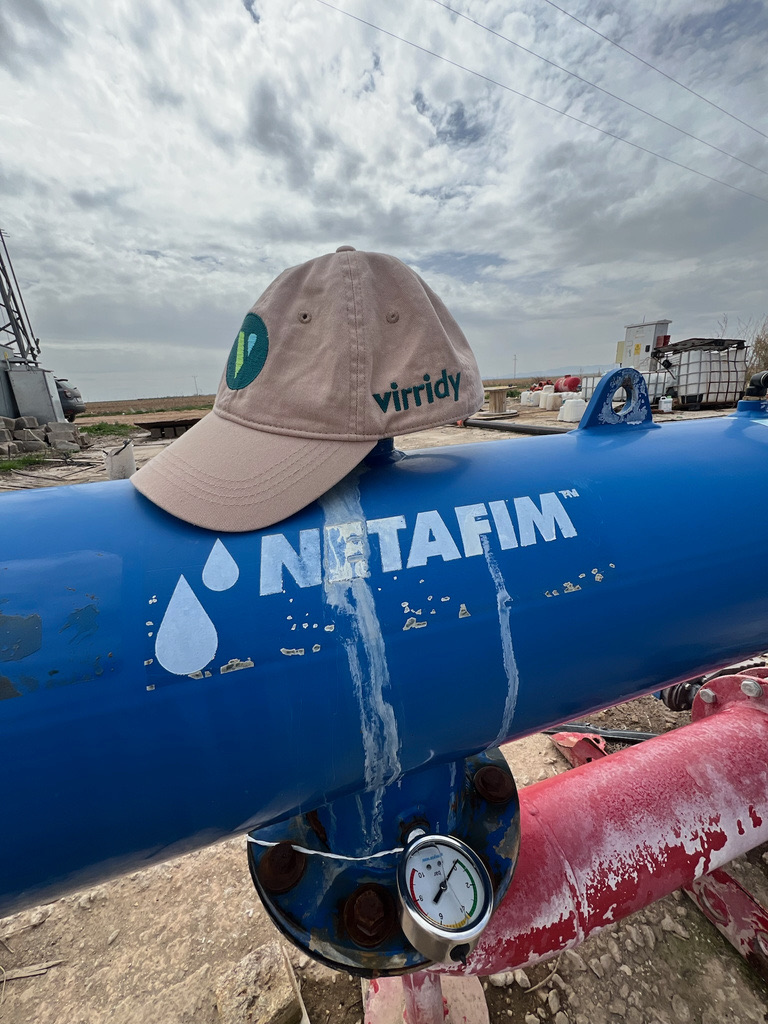
Virridy is the exclusive global developer and offtaker for Netafim, the largest irrigation technology company in the world.
Verra VM0042 certified. 1,000+ hectares subsurface drip. 3.5 tonnes CO2e/hectare reduced annually.
Yahara WINS: First-ever verified watershed carbon credit. 139K hectares, 200K+ tonnes CO2e avoided. Regen Registry certified.
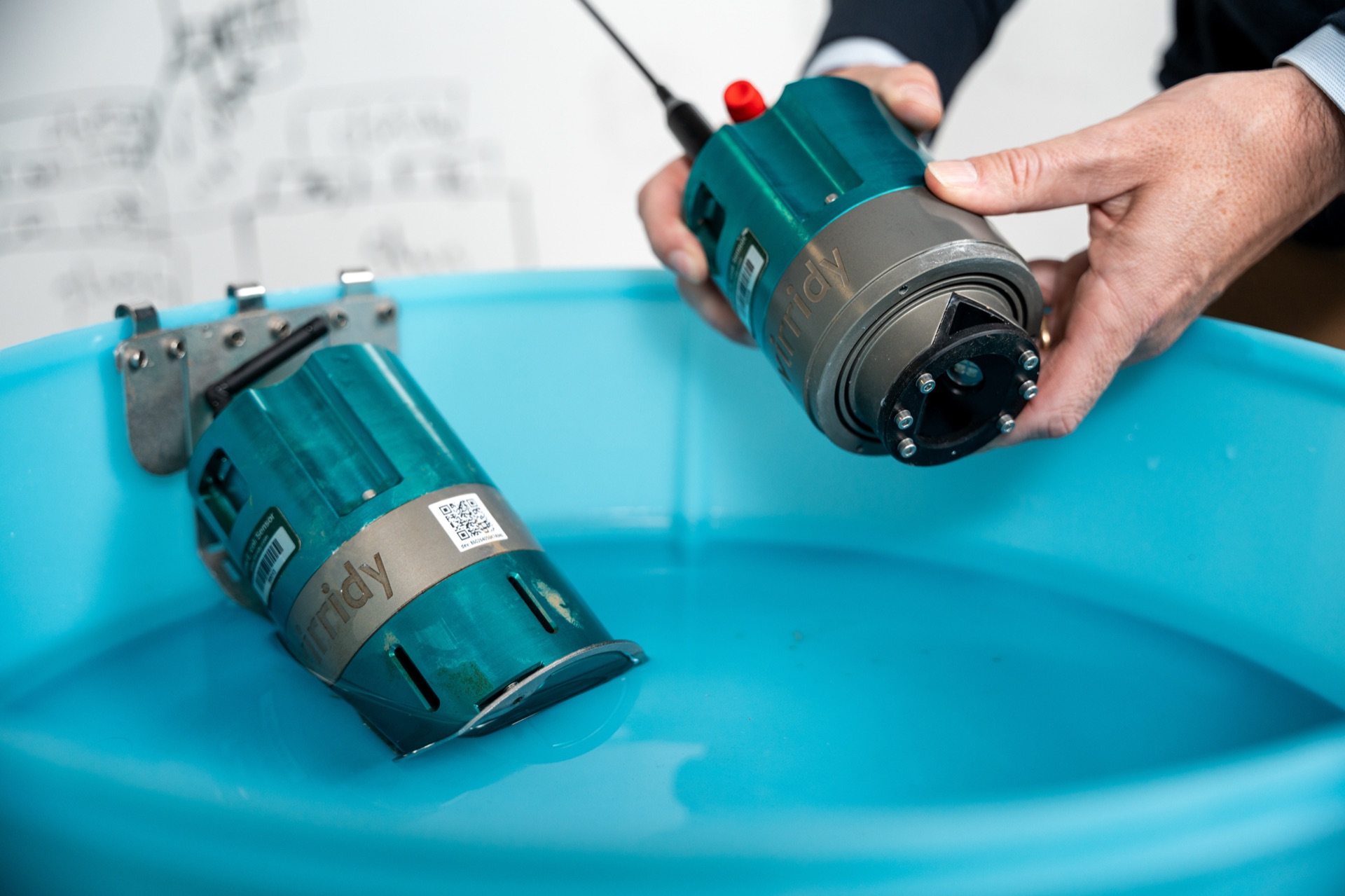
Continuous water quality monitoring — for the cost of a single grab sample.
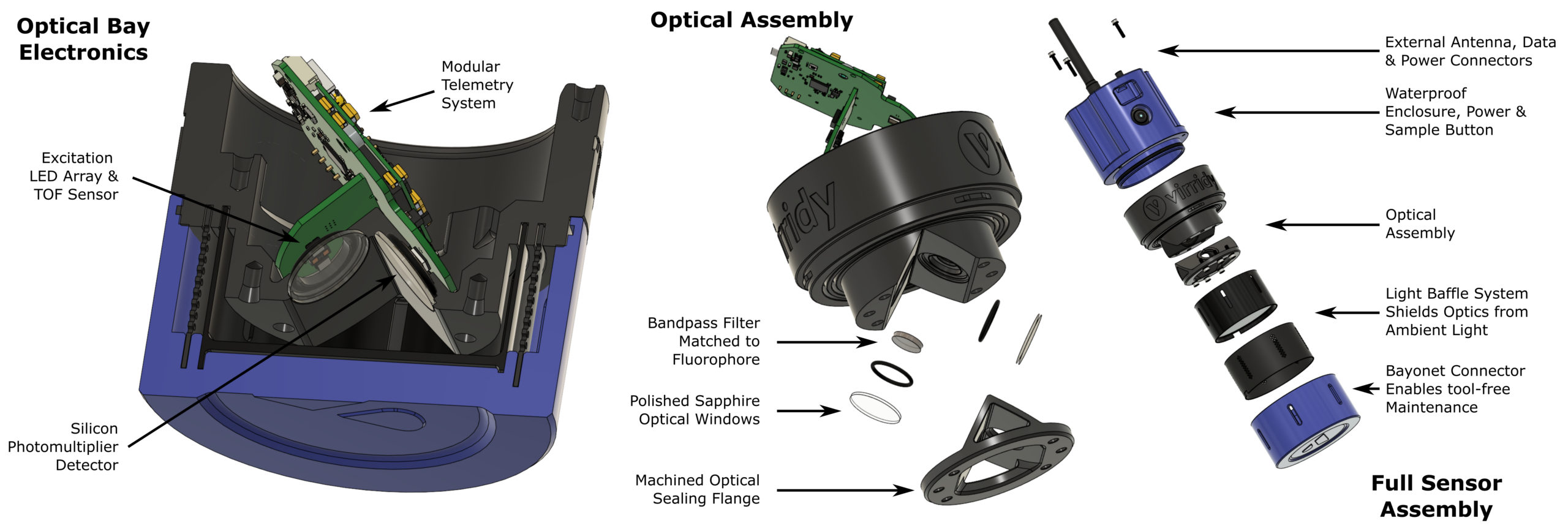
Three interchangeable optical modes: TLF (280/350nm, E. coli), Cl-A (470/680nm, algae/HABs), FDOM (365/480nm, dissolved organics). Plus turbidity and temperature.
Sampling: 30s–24h intervals. Cellular + satellite connectivity. 1-year battery on hourly sampling. Solar or wall charging. No calibration or maintenance required.
$200/month — includes device, connectivity, cloud dashboard, API, and firmware updates.
The Lume uses machine learning to learn normal conditions and trigger contamination alerts based on learned patterns rather than fixed thresholds.
US Patent 11,506,606 B2 — Bedell, Fankhauser, Sharpe, Wilson & Thomas
Time-series data from water infrastructure sensors are analyzed to classify system states and support operational decisions without manual inspection or rule-based logic.
US Patent 11,507,861 B2 — Wilson, Coyle, Thomas & Croshere
Gradient-boosted decision tree models achieving 75%+ accuracy across 0–1,000 CFU/100mL, >94% categorical accuracy with site calibration, and 7% MAPE (log-transformed).
Designed for continuous deployment in challenging environments. Anti-biofouling design with hand-twist removable cover enables tool-free field maintenance.
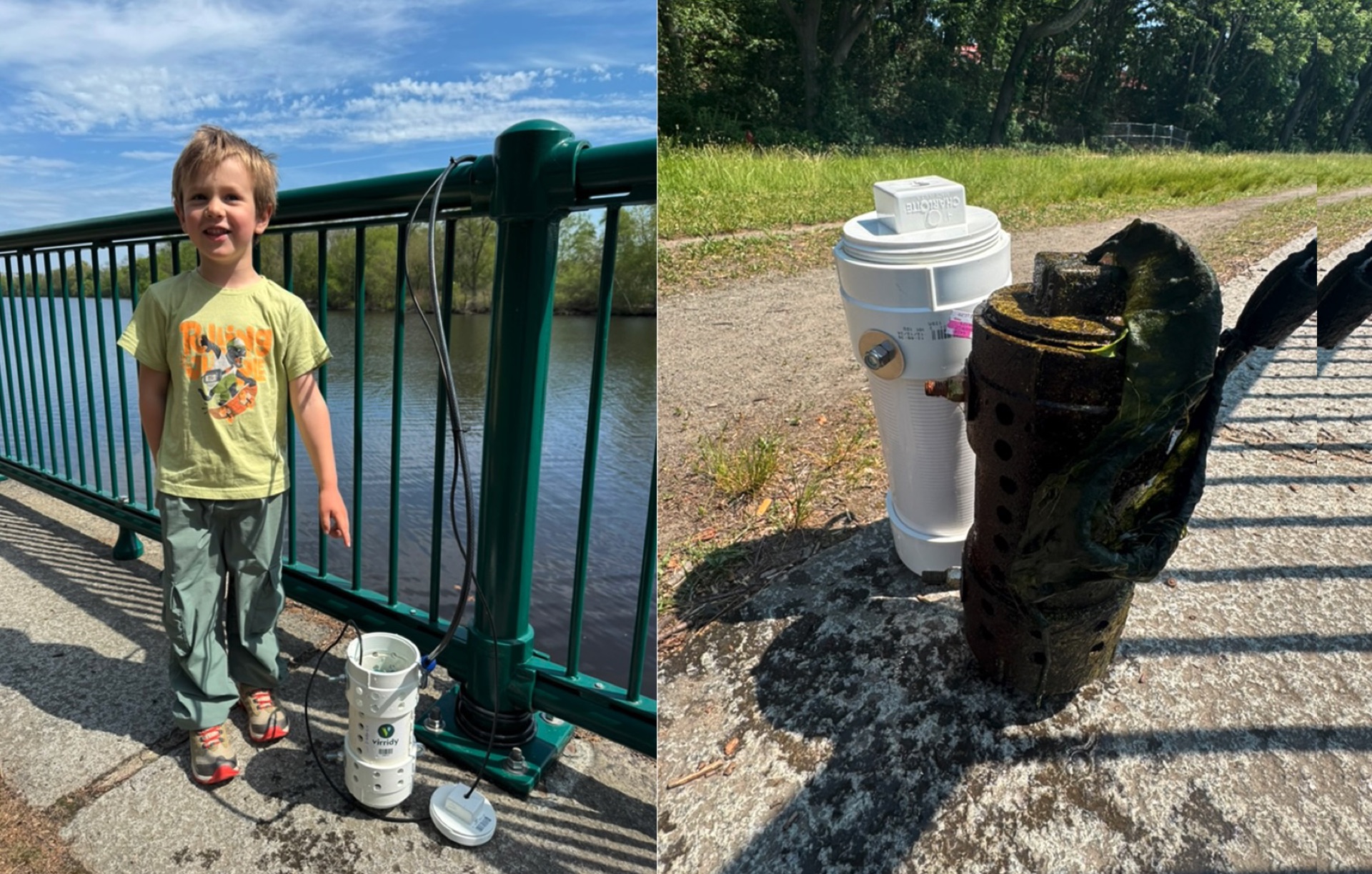
In-Situ Monitoring
Mobile Deployments
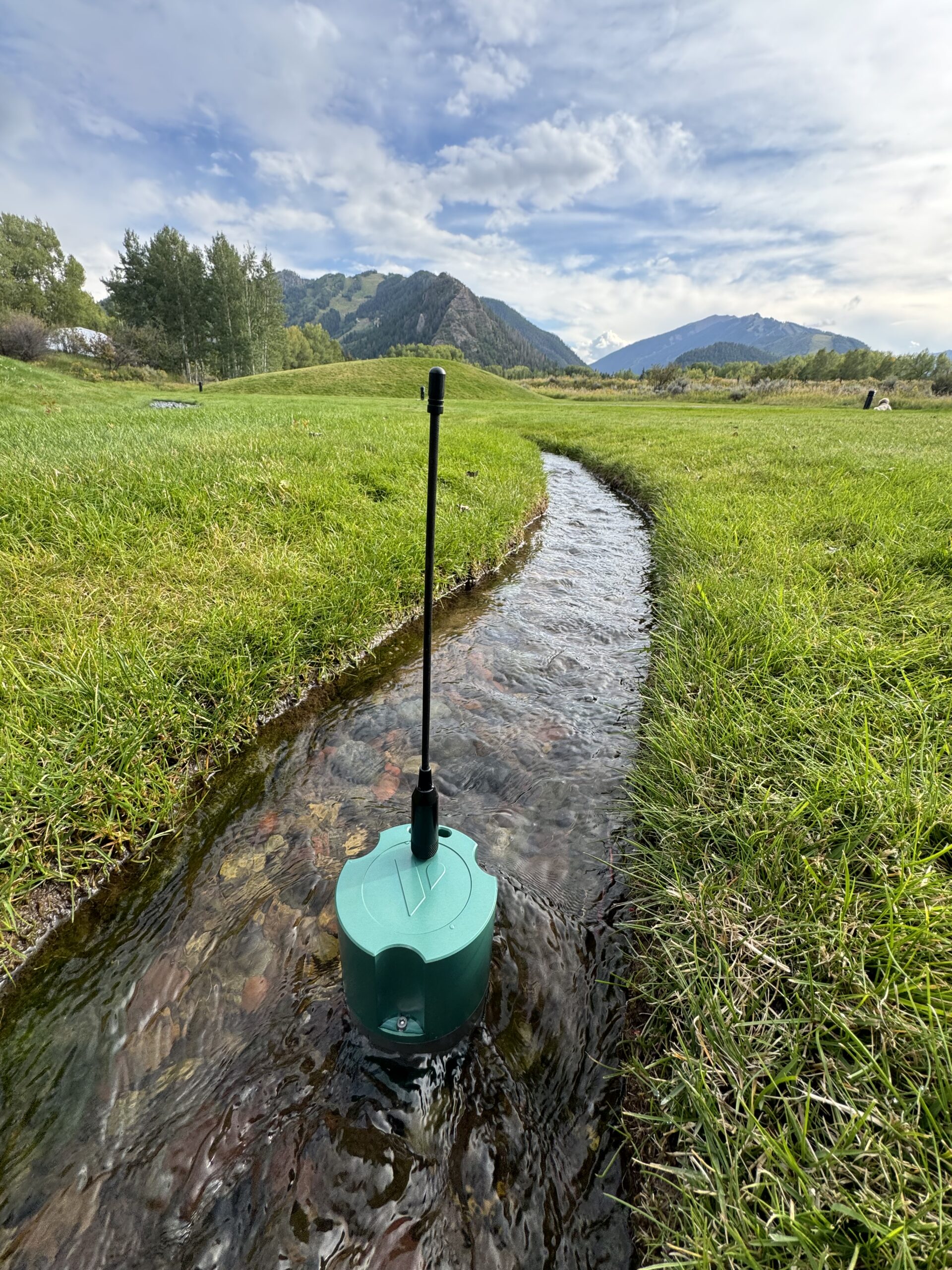
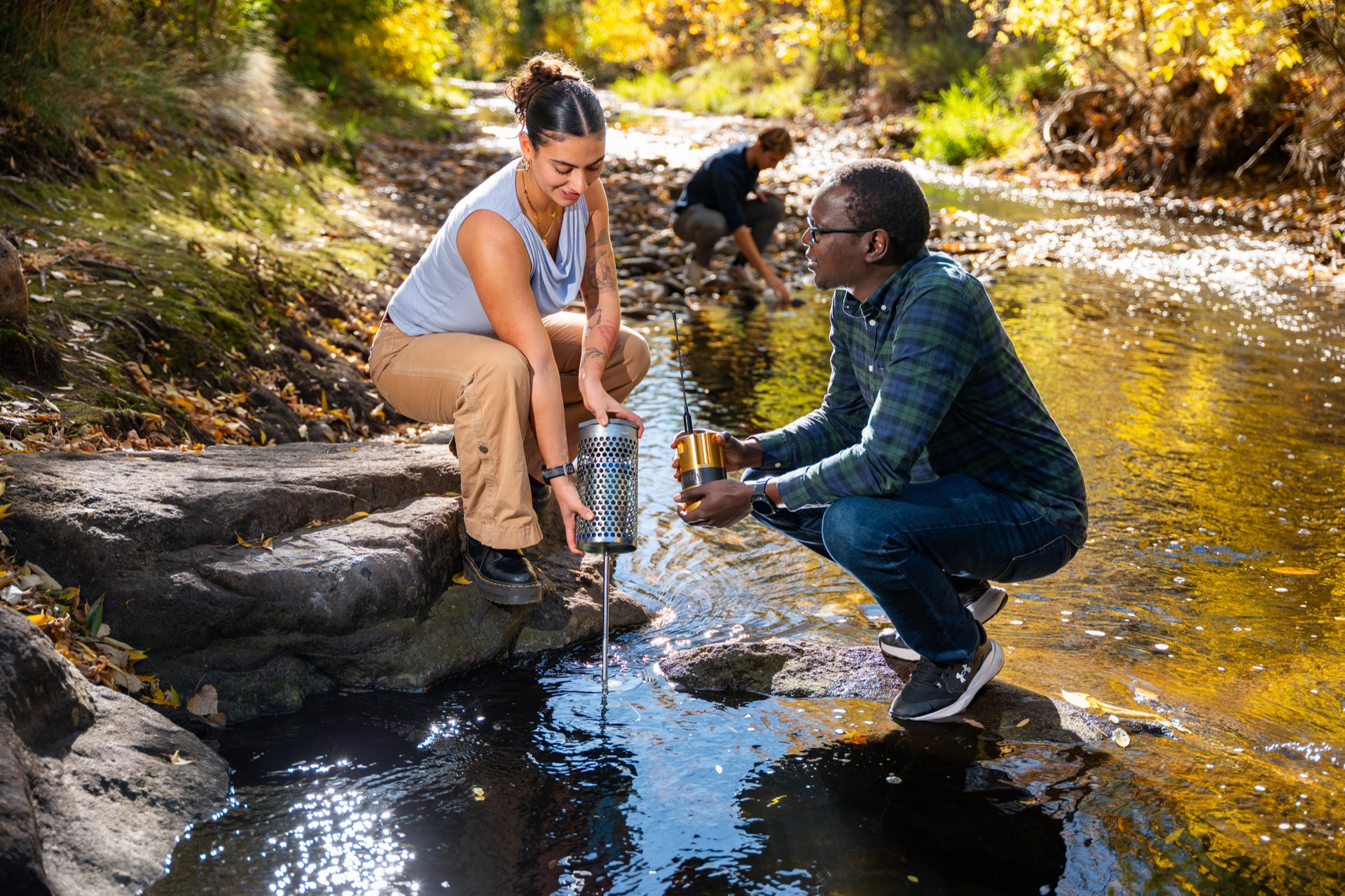
Researchers deploying the Lume sensor in natural stream environments for real-time E. coli monitoring and validation studies.
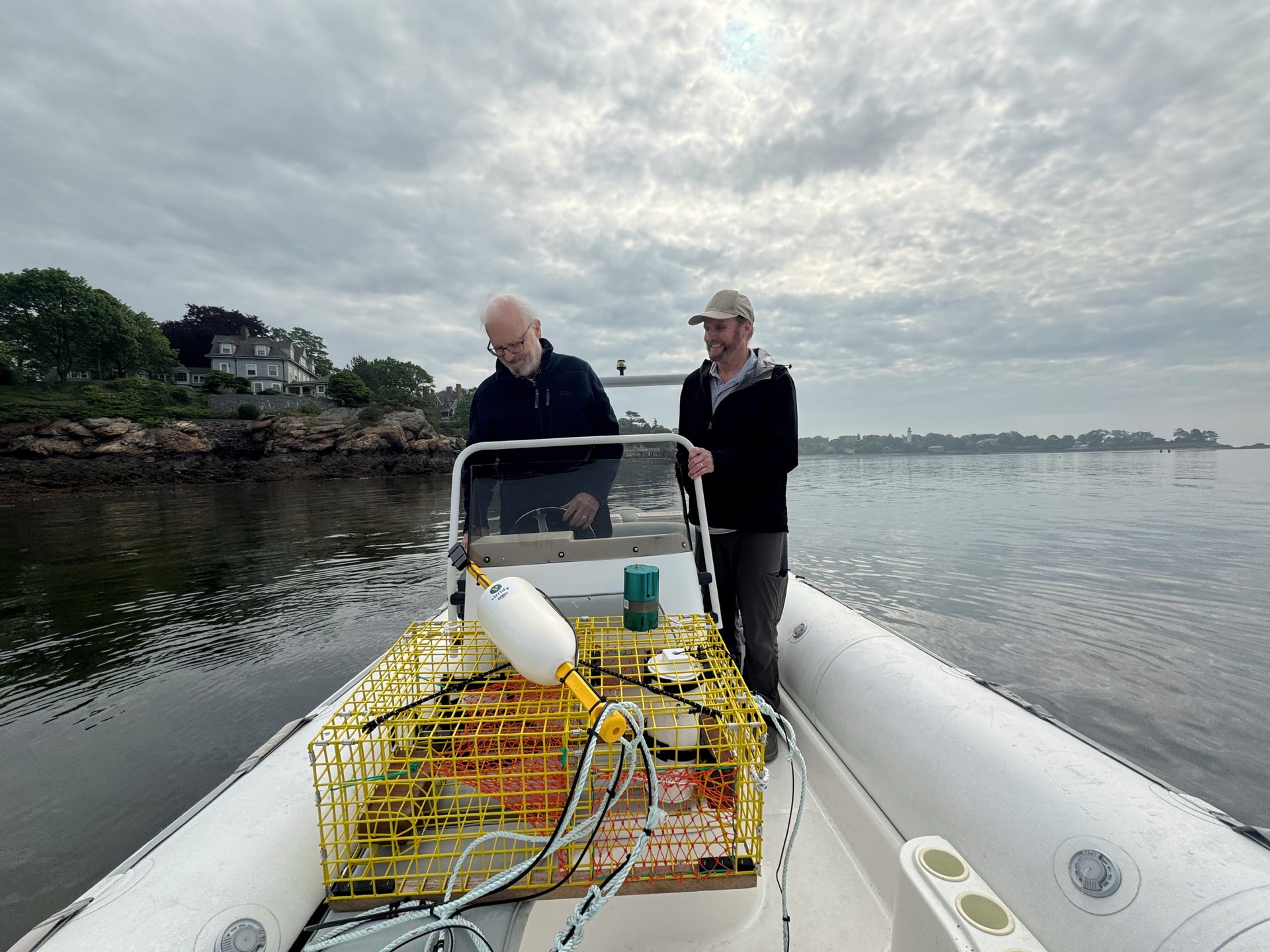
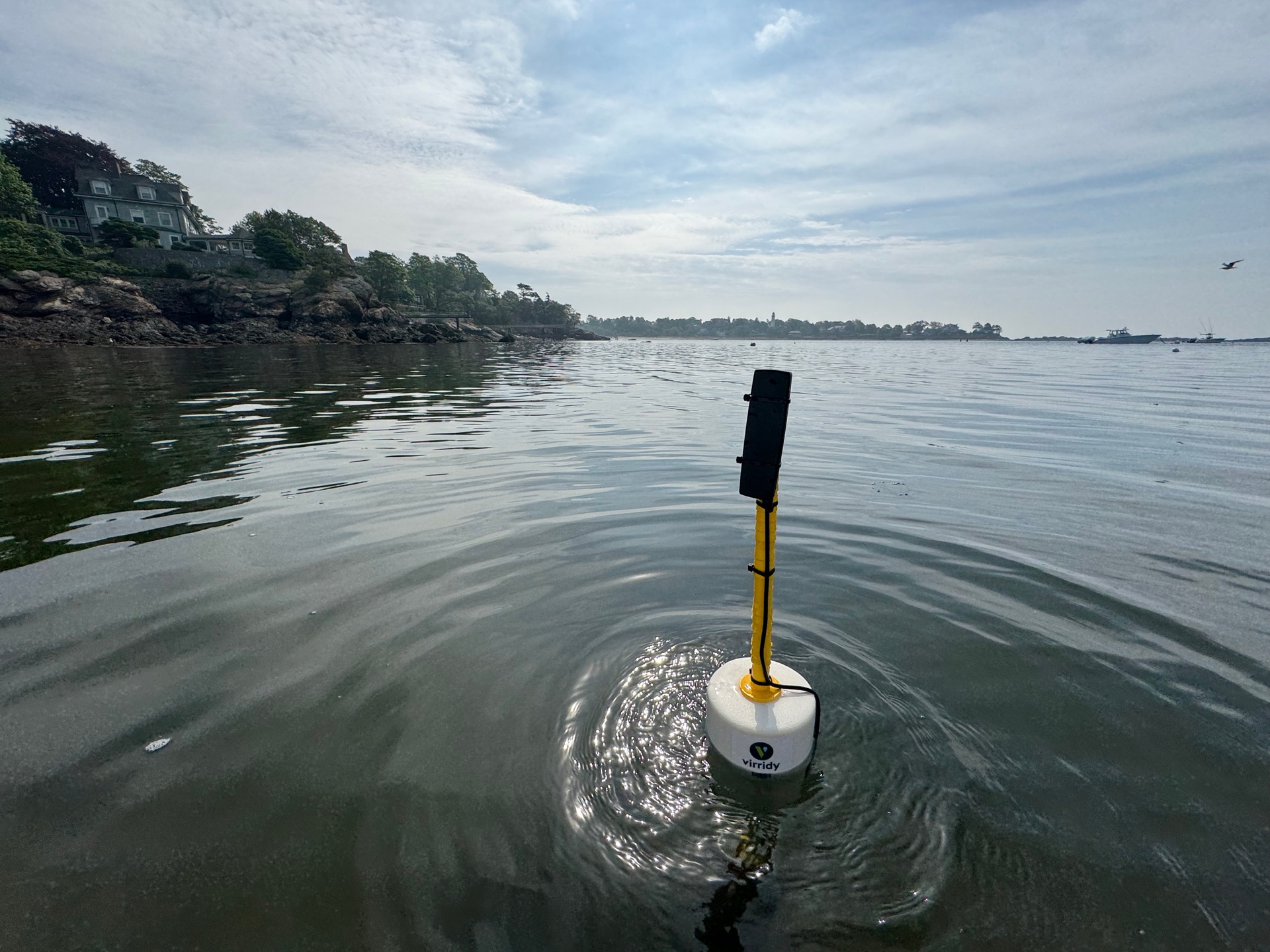
Virridy’s Lume sensors monitoring water quality for recreational swimming safety along the Seine River.
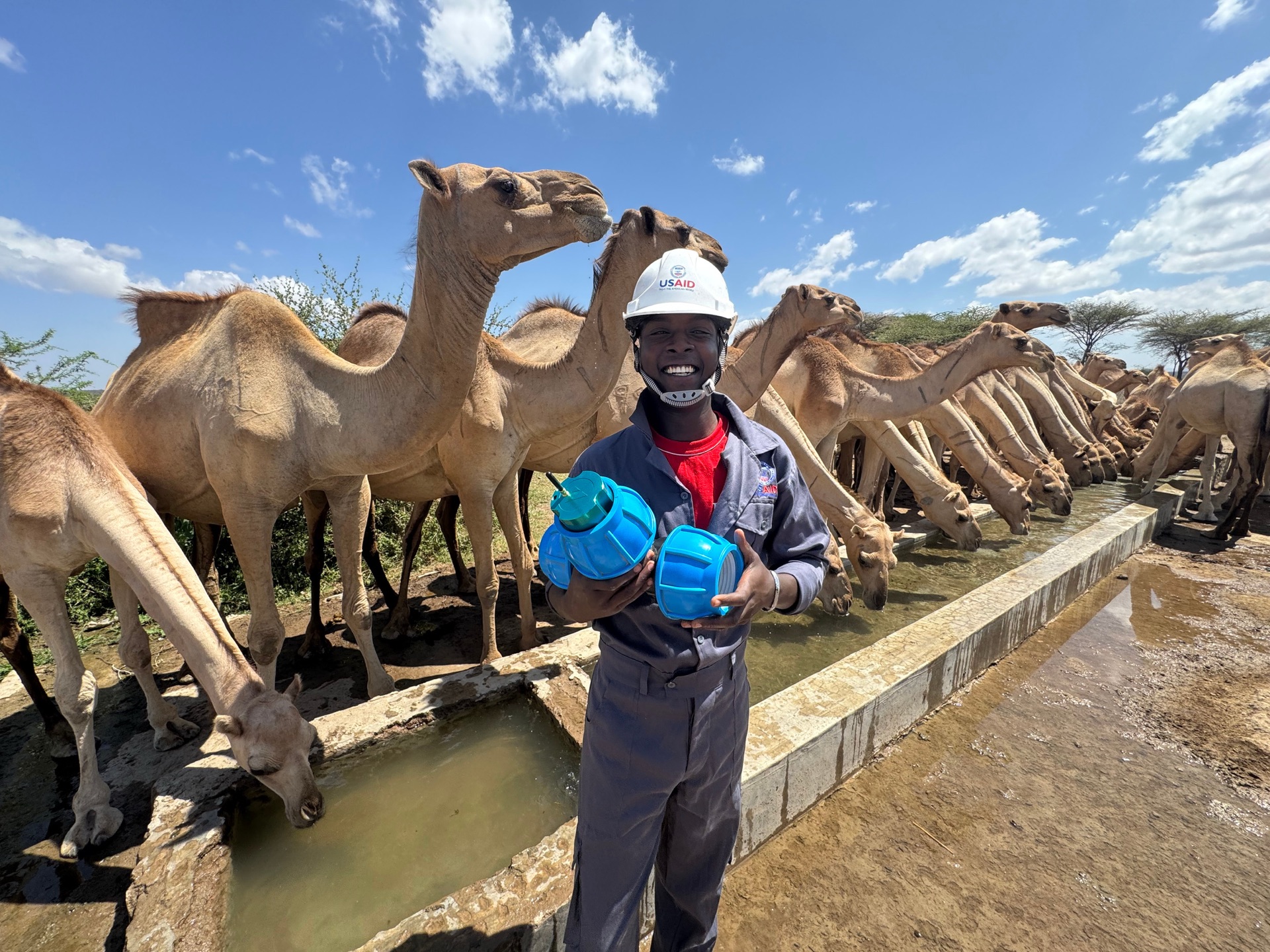
Monitoring borehole water points in arid pastoral regions. IoT sensors verify functionality and usage for carbon credit verification.
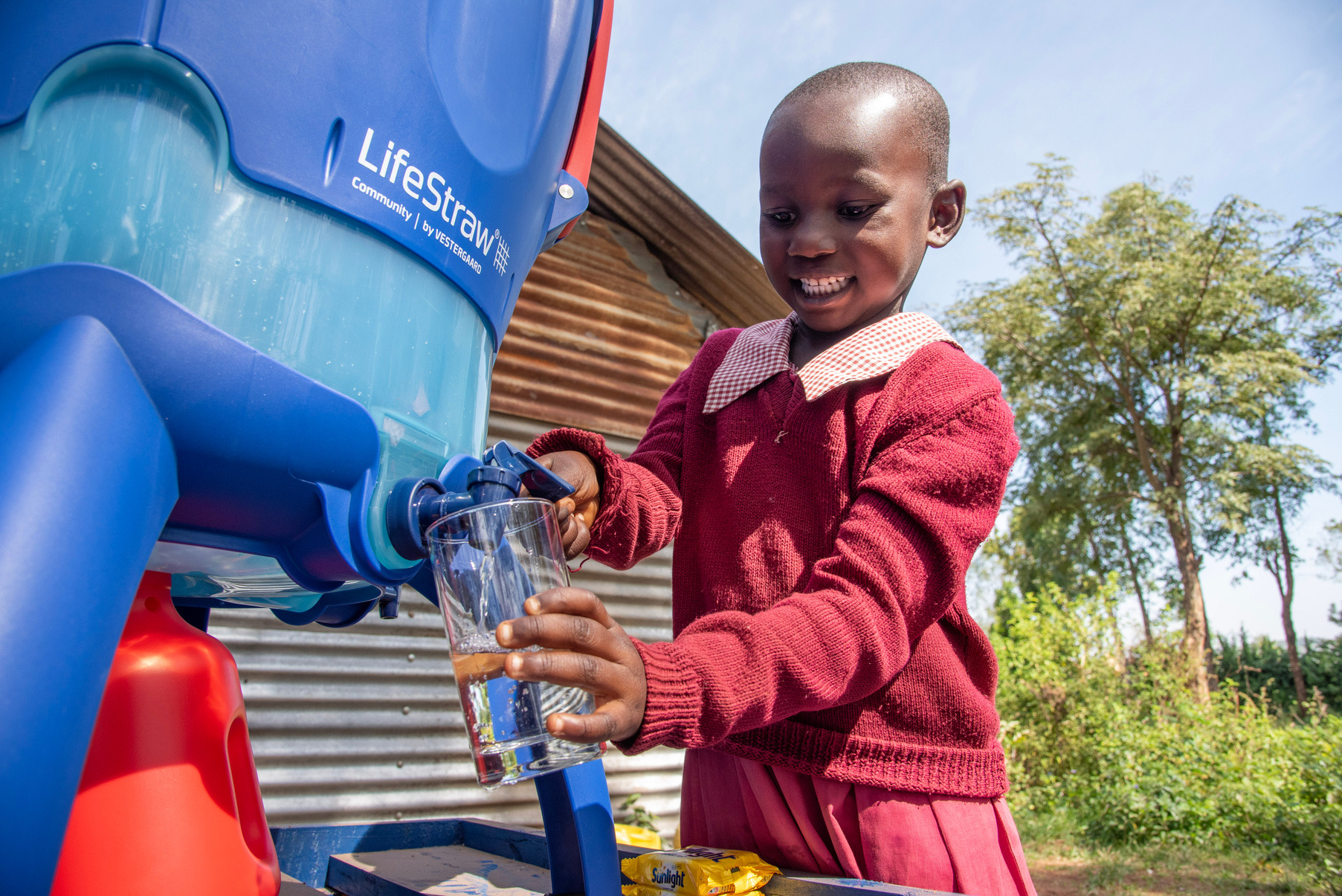
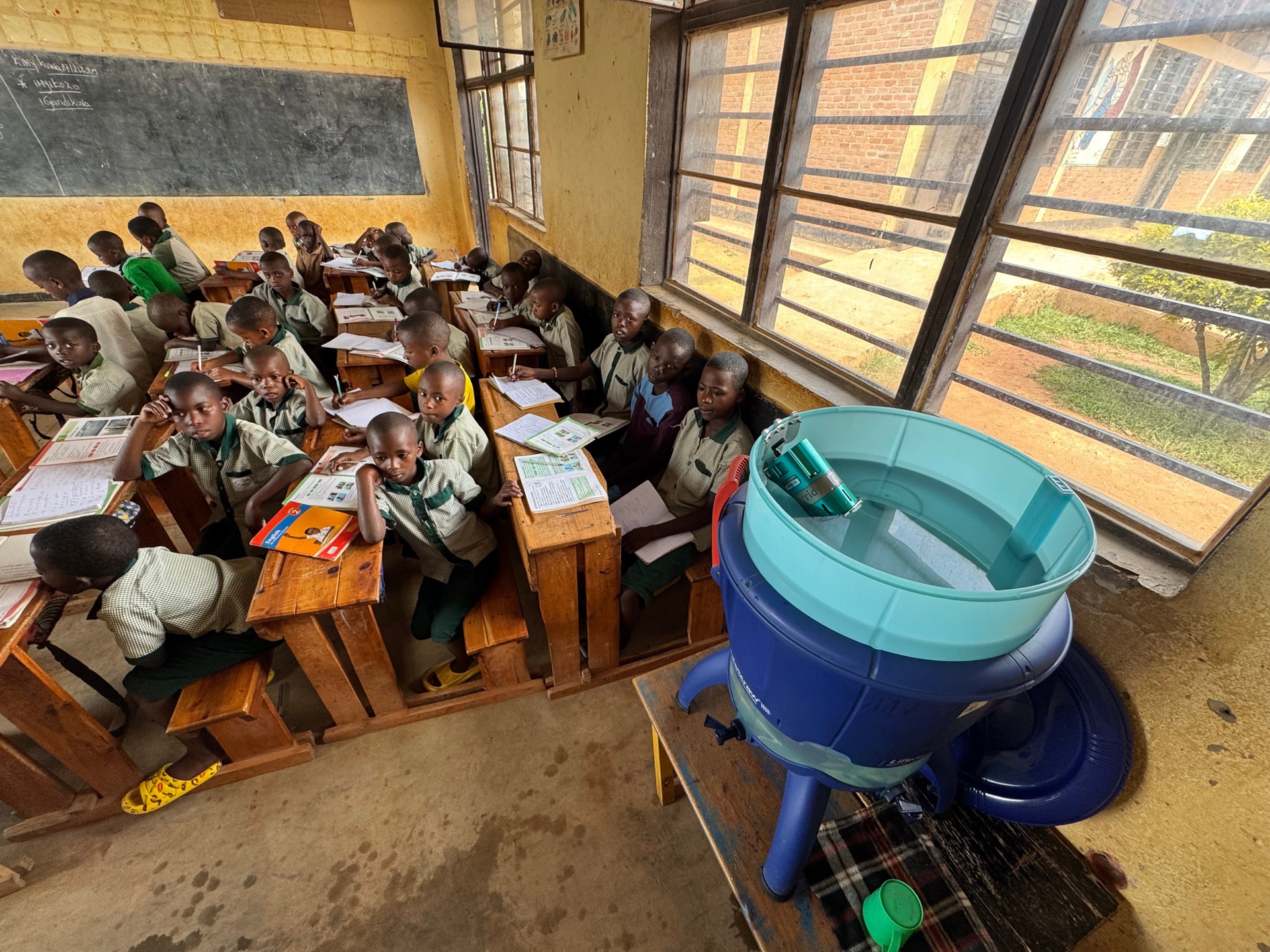
LifeStraw water purifiers monitored by Virridy sensors in classrooms across Kenya — supporting access to safe drinking water and verified carbon credits.
The Lume has been validated for drinking water monitoring across chlorinated and unchlorinated supplies. Binary classification at regulatory thresholds of 1 and 10 CFU/100 mL yields 91–92% overall accuracy with Cohen's kappa of 0.82–0.84.
Confusion matrices for binary classification of water quality using sensor predictions versus laboratory-observed E. coli concentrations at two regulatory thresholds.
The Lume detects chlorine residual presence in treated water supplies with 85% accuracy, distinguishing pre- and post-chlorinated samples.
Left: Predicted vs observed E. coli on log axes. Right: Binary classification of chlorine residual presence (accuracy 0.85, kappa 0.70).
The Lume algorithm has been extensively validated against Colilert E. coli in freshwater systems. Over 75% of predictions fall within the analytical uncertainty bounds of the Colilert reference method, with 7% MAPE in log-transformed space.
Left: Boulder Creek test dataset. Right: Categorical classification into three management-relevant bins (<10, 10–100, >100 MPN/100 mL). Balanced accuracy 95%, Cohen's kappa 0.84.
Temporally structured cross-validation across the global dataset. RMSE ranged from 0.55 (training) to 0.63 log units (test), with MAPE below 22% across both splits.
Left: Global dataset cross-validation. Right: Seine River, Paris — binary classification achieving 96.8% accuracy and 94% balanced accuracy using three TLF sensors.
Three parallel tracks advancing the Lume from research instrument to accepted compliance and verification technology.
Internal and contracted expertise in IoT, signals, embedded systems, hardware design.
Internal and contracted expertise in watershed AI/ML and front-end product development.
Contract manufacturer established in China. 200 units produced, 60 sold as of March 2026.
Internal through 2026; contracted thereafter.
Extensive internal sales and research expertise.
Lume 1.1 traction will support positive margin on COGS in 2026 before further NRE investment.
Global water quality sensor market in 2024, projected to reach $12.9B by 2033 (CAGR ~9%).
Cl-A sensors sold in US in past 10 years. Annual market ~$100M. Microbial is the next frontier.
| Sensor | Description | Setup | Est. Cost | Accuracy |
|---|---|---|---|---|
| Virridy Lume | Tryptophan sensor; ML model analysis | Single, fully integrated IoT sensor | $200/month/site | 75%+ accuracy, >94% categorical |
| Proteus Sonde | Multiparameter sonde | Requires data logger, site-specific calibration | $14K - $24K+ | +/- 10 CFU/100mL |
| Chelsea UViLux | Tryptophan, CDOM, BTEX, BOD | Not specified | ~$5,000 | 0.01 QSU sensitivity |
| YSI (Xylem) | Chlorophyll only, no tryptophan | Multiparameter sonde | $4,985+ | N/A for TLF |
| In Situ Inc. | FDOM, CDOM, Cl-A, no tryptophan | Multiparameter sonde + telemetry | ~$10,000 | N/A for TLF |
Competition sells for $5K - $30K one-time hardware cost. Virridy focuses on recurring revenue.
12-month minimum contract = 2x COGS
6 TLF sensors, TMDL compliance. Paying customer.
Suez/City of Paris. 9 swim sites. Olympics legacy.
H2NOW platform. Displaced Proteus.
AFRL evaluation. Lab visit April 2026.
Strontia Springs wildfire monitoring.
CRWA partnership. E. coli monitoring.
KSC algae treatment. Chl-a + TLF.
City deployments. Urban watershed.
Total structured capital of $50M targeted for the Water Carbon Credit Facility to support project finance, scaling, and long-term operations.
Projected EOY cash position 2025–2030


Board of Directors
Mark Mortenson (Lansing Group) • Kevin Webb (30+ yr investor) • Chris Lackner (Accord Capital) • Ron Garan (decorated fighter/test pilot, 178 days in space)
Sensor Technology & Carbon Finance
for Global Water Security